
When you are planning a tiling project, the small details can make a big difference. Aluminium strips for tiles are a very popular choice. They provide a clean, finished edge and protect your tiles from damage. Many people want to know about the aluminium strips for tiles price. This guide will help you understand the costs and find the best options for your specific needs. We will look at different types, what affects their prices, and where you can buy them. Let’s find out how to get the best value for your tiling project.
Why Choose Aluminium Strips for Tiles?
Aluminium strips offer many great benefits for both new installations and renovations. They are strong but lightweight, and they resist rust. This makes them ideal for areas like bathrooms, kitchens, and outdoor spaces.
- Protection: They keep tile edges safe from chips, cracks, and daily wear.
- Aesthetics: They give your tiled surfaces a neat, professional, and modern look.
- Durability: Aluminium is a long-lasting material, ensuring your edges stay protected for years.
- Versatility: You can find them in many finishes, shapes, and sizes to match any design.
Types of Aluminium Strips for Tiles and Their Specifications
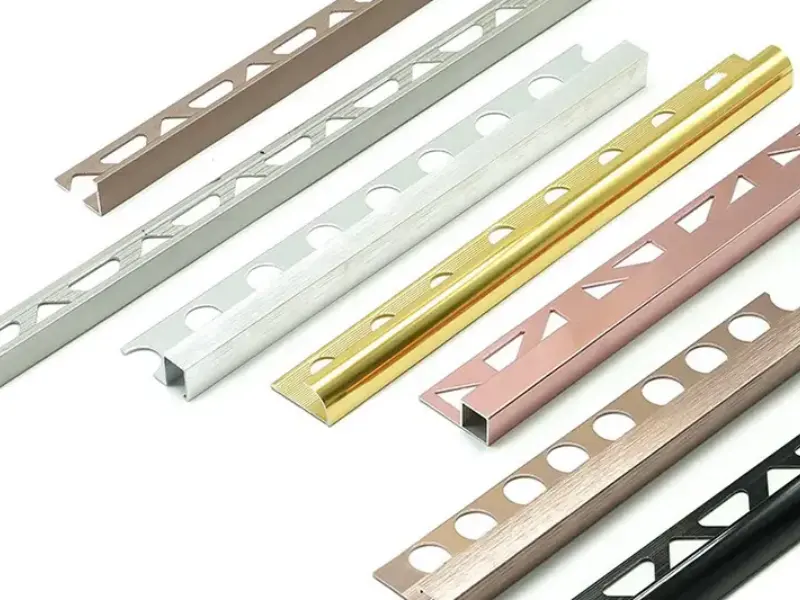
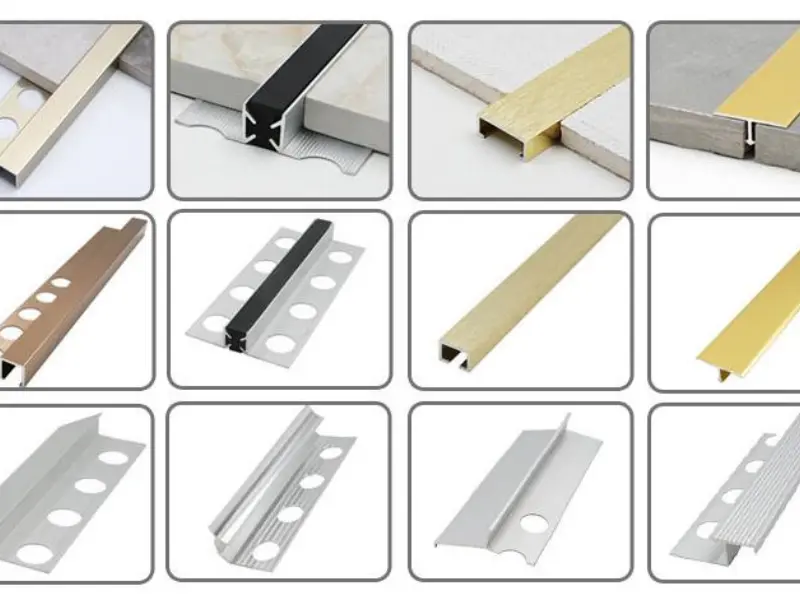
Aluminium strips for tiles come in various forms. The type you choose will significantly affect the final aluminium strips for tiles price. Here is a look at common types and their typical specifications.
Table 1: Common Aluminium Strip Finishes
| Finish Type | Description | Price Impact (Relative) |
|---|---|---|
| Mill Finish | Raw aluminium, most basic and cost-effective. | Low |
| Anodized | Enhanced resistance to corrosion, available in colors. | Medium |
| Polished | A shiny, mirror-like surface for a premium look. | High |
| Brushed | A matte, textured finish that helps hide fingerprints. | Medium-High |
| Powder Coated | Offers a wide range of colors and a durable protective layer. | Medium-High |
Table 2: Common Aluminium Strip Profiles (Shapes)
| Profile Name | Description | Typical Use |
|---|---|---|
| Flat Strip | A simple, flat bar, often used for transitions. | Floor transitions, decorative lines, wall borders. |
| L-Shape | An angle profile, creates a neat, protected edge. | Edge trim for walls, steps, countertops. |
| T-Shape | Connects two tiled surfaces at the same height. | Floor transitions between tiles and other flooring. |
| U-Shape | A channel profile, often used for glass or inlay. | Holding glass panels, decorative inlays in floors/walls. |
| Quadrant | A rounded edge profile, smooth and safe. | Finishing external corners on walls, worktops. |
Table 3: Typical Aluminium Strip Dimensions
(Note: Standard lengths often range from 2.5 meters to 3 meters)
| Dimension | Smallest (mm) | Medium (mm) | Largest (mm) |
|---|---|---|---|
| Width | 10 | 25 | 50 |
| Thickness | 1 | 2 | 3 |
Understanding these various types and options will help you make an informed choice and better estimate the aluminium strips for tiles price for your project.
Factors Affecting Aluminium Strips for Tiles Price
The cost of aluminium strips for tiles is not fixed. Several key factors can influence the final price you pay.
- Material Grade: The purity and specific alloy of aluminium can impact the cost. Higher grades may be more expensive.
- Finish Type: As shown in Table 1, specialized finishes like polished, anodized, or powder-coated strips generally cost more than a basic mill finish.
- Dimensions (Size): Wider or thicker strips use more raw material, which directly increases the aluminium strips for tiles price. Longer lengths might also influence pricing per meter.
- Profile Complexity: Strips with more intricate shapes or custom-designed profiles usually require more complex manufacturing, leading to higher costs.
- Brand and Manufacturer: Well-known brands often charge a premium due to their reputation for quality, consistency, and customer service.
- Order Quantity: Buying in larger quantities, especially from wholesalers, can significantly reduce the per-unit price due to bulk discounts.
- Market Conditions: Global prices for raw aluminium, shipping costs, and supply chain issues can all affect market prices.
Average Aluminium Strips for Tiles Price Ranges (Illustrative)
Please note that these are general estimates. Actual prices can vary based on your geographic location, the specific supplier, and current market conditions. It’s always best to request a direct quote.
Table 4: Estimated Price Ranges per Meter (Indicative)
| Strip Type/Finish | Small (10-15mm width) | Medium (20-30mm width) | Large (30-50mm width) |
|---|---|---|---|
| Mill Finish | $$1.50 – $3.00 | $$2.50 – $5.00 | $$4.00 – $8.00 |
| Anodized | $$2.50 – $5.00 | $$4.00 – $8.00 | $$7.00 – $12.00 |
| Polished | $$4.00 – $7.00 | $$6.00 – $10.00 | $$9.00 – $15.00 |
| Powder Coated | $$3.00 – $6.00 | $$5.00 – $9.00 | $$8.00 – $14.00 |
These estimated price ranges should help you budget for the aluminium strips for tiles price in your project. Always get a specific quote from your chosen supplier for accurate costs.
Where to Buy Aluminium Strips for Tiles
Finding the right supplier is important for both quality and price.
- Local Hardware Stores: Good for small projects and quick purchases, but their selection might be limited.
- Tiling Specialty Stores: Offer a wider variety of profiles and finishes, along with expert advice.
- Online Retailers: Excellent for comparing the aluminium strips for tiles price from different brands and for finding bulk deals.
- Wholesale Suppliers: Often the best option for large-scale projects or contractors, offering the most competitive prices per unit.
Application Areas for Aluminium Strips
Aluminium strips are incredibly versatile and are used in many parts of a home or commercial building.
- Floor Transitions: Creating a smooth and safe join between different flooring materials.
- Wall Corners: Protecting external corners from impacts and wear.
- Stair Nosing: Providing a finished edge and adding safety to stair treads.
- Bathroom Edges: Sealing and cleanly finishing edges around showers, bathtubs, and vanity units.
- Kitchen Backsplashes: Offering a neat and hygienic edge where tiles meet countertops.
- Decorative Inlays: Adding unique design elements and patterns within tiled surfaces.
- Mirror Frames: Creating sleek and modern frames for wall-mounted mirrors.
- Panel Edges: Finishing the exposed edges of decorative wall panels or cladding.
Installation Tips for Aluminium Strips
Proper installation ensures your strips look good and last for many years.
- Measure Carefully: Always double-check your measurements before cutting to avoid waste.
- Use the Right Adhesive: Select an adhesive that is suitable for both aluminium and your tile material.
- Clean Surfaces: Ensure all surfaces are clean, dry, and free of dust or debris before application.
- Cut Precisely: Use appropriate tools (like a hacksaw with a fine-tooth blade or a miter saw with an aluminium blade) to get clean cuts.
- Allow Drying Time: Let the adhesive cure fully according to the manufacturer’s instructions before putting any stress on the strips.
Maintaining Your Aluminium Strips
Aluminium is a low-maintenance material, but a little care can keep it looking its best.
- Regular Cleaning: Wipe the strips with a soft, damp cloth and a mild soap solution.
- Avoid Harsh Chemicals: Strong acidic or alkaline cleaners can damage the finish, especially on anodized or powder-coated strips.
- Check for Damage: Periodically inspect your strips for any signs of wear, dents, or loosening.