
6061 aluminum alloy is the most versatile structural aluminum alloy in production today. It combines high strength, excellent corrosion resistance, and outstanding machinability in a single material. This makes it the default choice across dozens of industries — from aerospace frames to marine hardware to precision electronics enclosures.
This guide covers every major application of 6061 aluminum alloy, explains why it outperforms alternatives in each context, and helps B2B buyers and engineers make confident material selection decisions.
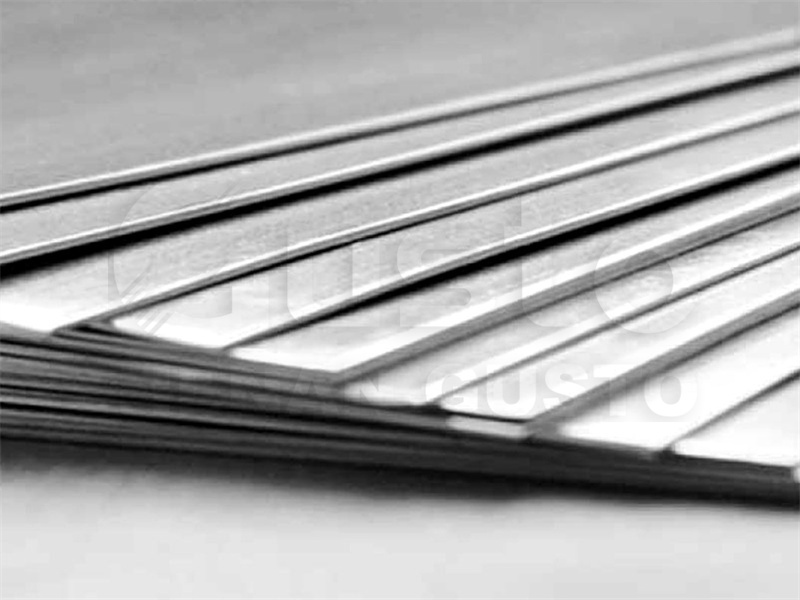
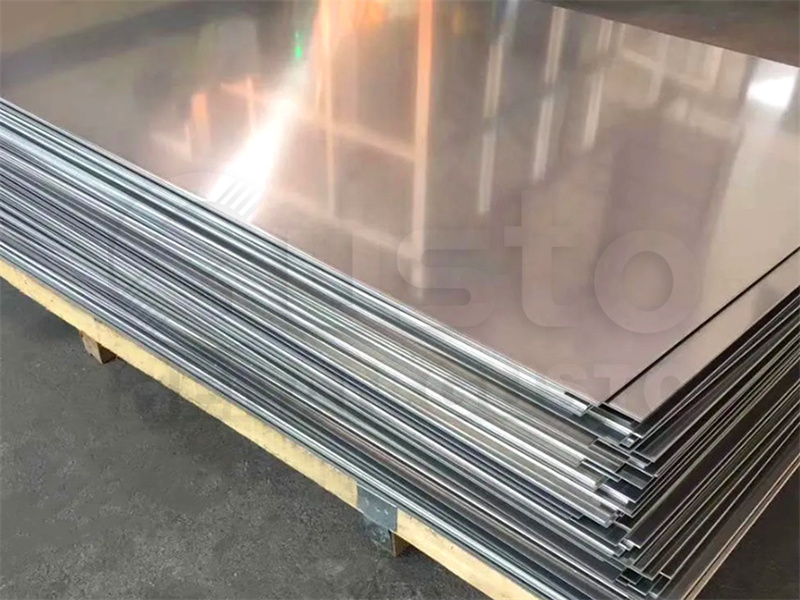
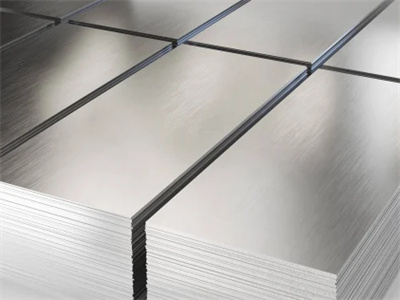
6061 Aluminum Alloy Used In Many Industries
6061-T6 delivers 310 MPa tensile strength and 276 MPa yield strength at a density of just 2.70 g/cm³. It machines cleanly, welds reliably with 4043 or 5356 filler wire, and forms a natural oxide layer that resists corrosion without coatings.
The result: engineers across aerospace, marine, automotive, construction, and electronics all reach for 6061 aluminum alloy as their first option for structural components that must be light, strong, and durable.
| Property | Value | Why It Matters |
|---|---|---|
| Tensile Strength (T6) | 310 MPa | Handles structural loads |
| Yield Strength (T6) | 276 MPa | Resists permanent deformation |
| Density | 2.70 g/cm³ | 3× lighter than steel |
| Corrosion Resistance | Excellent | Suitable for outdoor and marine use |
| Machinability | Excellent | Low tooling cost, tight tolerances |
| Weldability | Good | Suitable for fabricated assemblies |
| Anodizability | Excellent | Decorative and protective finishing |
6061 Aluminum Alloy in Aerospace Applications
Aerospace was one of the earliest adopters of 6061 aluminum alloy, and it remains a critical material in aircraft structures today. The alloy meets AMS 2770 heat treatment specifications and is fully traceable under AS9100 quality systems.
Aircraft Structural Components
6061-T6 aluminum alloy is widely used for fuselage skin panels, floor beams, seat tracks, and structural ribs in commercial and general aviation aircraft. The combination of high yield strength and low weight reduces airframe mass without sacrificing structural integrity.
Wing spars and stiffeners in smaller aircraft — including business jets, turboprops, and light sport aircraft — are commonly fabricated from 6061-T651 aluminum plate. The T651 temper provides stress-relieved plate with tight dimensional tolerances, which is critical for precision fit-up during assembly.
Hydraulic and Pneumatic System Components
Hydraulic manifolds, valve bodies, and actuator housings in aircraft systems are frequently machined from 6061-T651 aluminum alloy bar or plate. The alloy machines to close tolerances, holds threads reliably, and resists the hydraulic fluids used in aviation systems.
Ground Support Equipment
Beyond the aircraft itself, 6061 aluminum alloy is used extensively in ground support equipment (GSE): loading ramps, cargo containers, maintenance platforms, and tow bars. Weight matters here too — lighter GSE reduces ramp fatigue and fuel consumption from towing.
6061 Aluminum Alloy in Marine Applications
Saltwater environments are among the most demanding for structural materials. 6061 aluminum alloy handles marine exposure better than most alloys in its strength class, making it a go-to choice for naval architects and boatbuilders.
Boat Hulls and Superstructures
6061-T6 aluminum sheet and plate is used for the hulls of aluminum-hulled workboats, patrol vessels, and high-speed ferries. Marine-grade 6061 resists pitting corrosion in seawater and does not require sacrificial coatings on interior surfaces.
Large commercial vessels frequently use 5083 aluminum alloy for hull plating due to its superior marine corrosion resistance, but 6061-T6 is preferred for structural frames, deck beams, and superstructure panels where higher strength is needed.
Dock Hardware and Marine Fittings
Cleats, stanchions, handrails, ladder rungs, and deck fittings are routinely fabricated from 6061 aluminum alloy extrusions and bar stock. Anodizing provides an additional layer of corrosion protection while maintaining a clean, professional appearance.
Offshore Platforms and Gangways
Access gangways, handrail systems, and grating frames on offshore oil platforms use 6061 aluminum alloy to minimize the weight added to topside structures. Every kilogram saved in non-structural weight increases the platform’s operational payload capacity.
6061 Aluminum Alloy in Automotive and Transportation
The automotive industry has increased its use of 6061 aluminum alloy significantly over the past decade, driven by fuel efficiency regulations and the rapid growth of electric vehicles (EVs).
Structural Automotive Components
Suspension control arms, subframes, and cross-members fabricated from 6061-T6 aluminum alloy reduce unsprung weight, which directly improves ride quality and handling. Forged 6061 suspension components offer a particularly attractive strength-to-weight ratio compared to steel stampings.
EV Battery Enclosures
Battery enclosures and tray structures for electric vehicles represent one of the fastest-growing applications for 6061 aluminum alloy sheet and extrusion. The enclosure must be lightweight (to preserve range), structurally rigid (to protect battery cells), and thermally conductive (to assist battery cooling). 6061 aluminum alloy meets all three requirements.
Extruded 6061-T5 and T6 profiles are used for the side rails and cross-members of battery tray frames. Sheet panels in 6061-T6 form the floor and lid of the enclosure.
Truck and Trailer Bodies
6061 aluminum alloy sheet is used for refrigerated trailer skins, flatbed deck boards, and van body panels. Compared to steel alternatives, aluminum trailer bodies reduce tare weight by 20–30%, increasing cargo payload capacity for every trip.
Tread plate and stucco embossed 6061 aluminum sheet is common on step surfaces, floor panels, and toolboxes where slip resistance and durability are both required.
Rail Car Structures
High-speed rail and metro car bodies incorporate 6061 aluminum alloy extrusions as structural profiles. The ability to extrude complex hollow sections in 6061-T6 allows rail car designers to integrate stiffening ribs, attachment channels, and wiring conduits into a single extruded profile — reducing part count and assembly time.
6061 Aluminum Alloy in Construction and Architecture
Architects and structural engineers value 6061 aluminum alloy for its combination of structural performance, corrosion resistance, and aesthetic finish quality.
Curtain Wall and Facade Systems
Extruded 6061-T6 aluminum profiles form the mullion and transom framework of curtain wall systems on commercial buildings. The extrusion process allows precise, complex cross-sections with integrated glazing channels, thermal break pockets, and drainage paths — all in a single pass.
Structural Glazing Frames
Large glass canopies, skylights, and structural glazing systems rely on 6061-T6 aluminum alloy for their primary structural members. The alloy provides the stiffness needed to minimize deflection under wind and snow loads while keeping the visible frame sections slim.
Bridges and Pedestrian Walkways
Aluminum pedestrian bridges and elevated walkways use 6061-T6 plate and extrusion for their deck panels, stringers, and handrail posts. Aluminum bridges require no painting and virtually no maintenance over their design life, making them cost-effective on a lifecycle basis even when first cost is higher than steel.
Industrial Flooring and Grating
Extruded 6061 aluminum alloy grating and tread plate is installed in mezzanine floors, machine guarding, and stair treads across food processing, chemical, and pharmaceutical facilities where steel grating would corrode.
6061 Aluminum Alloy in Electronics and Electrical Equipment
The electronics industry relies on 6061 aluminum alloy for both structural and thermal management functions.
Electronic Chassis and Enclosures
Server chassis, rack-mount enclosures, power supply housings, and RF shielding enclosures are fabricated from 6061-T6 aluminum sheet. The alloy machines cleanly to close tolerances, accepts anodizing for EMI shielding performance, and provides a professional finish.
Heat Sinks
6061 aluminum alloy is widely used for extruded and machined heat sinks. Its thermal conductivity of 167 W/m·K is sufficient for most power electronics cooling applications, and it extrudes readily into complex fin geometries. For applications requiring maximum thermal conductivity, 1050 or 1100 series aluminum is sometimes preferred — but where the heat sink must also carry structural loads, 6061-T6 is the right choice.
LED PCB Plate Aluminum Applications
LED lighting fixtures use aluminum base PCBs (metal core printed circuit boards) mounted on aluminum alloy plate backing structures. 6061 aluminum alloy plate provides both the structural mounting surface and a thermal path that conducts heat away from the LED junction.
Power Transmission Hardware
Busbars, cable trays, and electrical enclosures in medium and high-voltage switchgear use 6061 aluminum alloy for its combination of electrical conductivity (43% IACS), structural strength, and corrosion resistance. Aluminum busbars weigh roughly half as much as equivalent copper busbars, reducing support structure loads in large installations.
6061 Aluminum Alloy in Defense and Military Applications
6061 aluminum alloy meets MIL-DTL-7079 and related military specifications, making it qualified for defense procurement.
Armored Vehicle Components
Non-structural interior panels, crew compartment fittings, and equipment mounting brackets in armored fighting vehicles (AFVs) use 6061-T6 aluminum alloy. Weight savings in non-armor components allow the vehicle’s weight budget to be allocated to additional ballistic protection.
Weapons and Ordnance Components
Receiver components, handguards, trigger guards, and scope mounts for small arms are frequently machined from 6061-T6 aluminum alloy bar. The alloy’s machinability allows precise tolerances, and its weight reduction compared to steel improves weapon handling.
Military UAV Structures
Unmanned aerial vehicle (UAV) frames and structural components use 6061-T6 aluminum alloy sheet and extrusion for their primary structure. The weight-to-strength ratio is critical in UAV design, where every gram of structural weight reduces mission payload or endurance.
6061 Aluminum Alloy in Sporting Goods and Recreation
Although this article focuses on B2B and industrial applications, the sporting goods sector represents a significant volume market for 6061 aluminum alloy.
Rock Climbing and Mountaineering Equipment
Carabiners, ascenders, belay devices, and ice axe heads are frequently forged or machined from 6061-T6 aluminum alloy. CE and UIAA strength certifications require specific minimum breaking loads, and 6061-T6 consistently meets these requirements at acceptable weight.
Ski and Snowboard Bindings
Binding plates and structural brackets for alpine ski bindings use 6061-T6 aluminum alloy for its stiffness and low weight. The alloy resists the cold temperatures and moisture exposure typical of ski resort environments.
Water Sports Equipment
Kayak paddle shafts, rowing oarlocks, and mast fittings for small sailboats use 6061 aluminum alloy extrusion for its corrosion resistance in fresh and salt water and its high stiffness-to-weight ratio.
6061 Aluminum Alloy Product Forms Available for Industrial Supply
We supply 6061 aluminum alloy in all standard product forms to support every application described in this guide.
| Product Form | Tempers Available | Typical Applications |
|---|---|---|
| Sheet (0.3–6.0 mm) | O, T4, T6 | Automotive panels, enclosures, trailer skins |
| Plate (6.0–200 mm) | T6, T651 | Aerospace ribs, mold tooling, marine frames |
| Coil (0.2–3.0 mm) | O, T4 | Stamping, roll-forming, continuous process |
| Extrusion (bar, rod, tube, profile) | T5, T6 | Structural frames, rail car bodies, curtain wall |
| Forging | T6, T652 | Suspension arms, aerospace fittings, connectors |
| Tread Plate | H114, T6 | Flooring, step surfaces, toolboxes |
All product forms are available with full mill test certificates (MTC), third-party inspection (SGS, Bureau Veritas, Intertek), and export documentation.
How to Select the Right 6061 Aluminum Alloy Product Form for Your Application
Step 1 — Identify the load type. Static structural loads favor T6 or T651 temper for maximum yield strength. Forming or bending operations require O or T4 temper, which can be subsequently aged to T6 after forming.
Step 2 — Choose the product form. Flat components come from sheet or plate. Linear structural members come from extrusion. High-strength three-dimensional parts come from forging.
Step 3 — Specify the temper. T6 is the standard high-strength temper. T651 adds stress relief by stretching — specify this when machining to tight tolerances or when residual stress could cause distortion. T4 is solution heat treated and naturally aged — use when field welding or post-forming heat treatment is planned.
Step 4 — Determine surface treatment. Mill finish is standard. Anodizing adds corrosion protection and wear resistance. Chemical conversion coating (Alodine/Chem Film) provides corrosion protection while maintaining electrical conductivity.
6061 Aluminum Alloy Price Considerations by Application
The price of 6061 aluminum alloy varies by product form and temper. Plate in T651 temper commands a premium over sheet in T6 due to the additional stretching and straightening operations. Forgings carry the highest premium due to die tooling and processing complexity.
| Product Form | Relative Price Index | Primary Cost Driver |
|---|---|---|
| Sheet T6 | 1.0× (baseline) | Standard rolling + heat treat |
| Plate T651 | 1.2–1.4× | Stretch leveling, precision tolerance |
| Extrusion T6 | 1.1–1.3× | Die tooling amortization |
| Forging T6 | 1.8–2.5× | Die fabrication, press operations |
| Tread Plate | 1.05–1.15× | Embossing roll pass |
For current 6061 aluminum alloy price per kg or per pound by product form and quantity, contact our sales team. We offer LME-linked pricing with full transparency and volume discounts starting at 2 metric tons.
Our Capabilities as a 6061 Aluminum Alloy Manufacturer and Exporter
We produce and supply 6061 aluminum alloy to customers across North America, Europe, the Middle East, and Asia-Pacific. Our manufacturing capabilities include:
- In-house casting, hot rolling, cold rolling, and heat treatment
- T6 and T651 solution heat treatment with controlled aging ovens
- Precision cut-to-size and custom dimension processing
- Full chemical analysis by OES spectrometer on every heat
- Tensile and hardness testing per ASTM E8 and ASTM E18
- ISO 9001:2015 certified quality management system
- Aerospace-grade traceability from melt number to finished product
We serve customers in aerospace, marine, automotive, construction, electronics, and defense — with experience meeting the specific documentation and certification requirements of each industry.
Frequently Asked Questions
Q: What is 6061 aluminum alloy most commonly used for? A: The most common applications are aerospace structural components, marine hardware, automotive suspension parts, EV battery enclosures, electronic chassis, architectural extrusions, and precision machined parts. Its combination of strength, corrosion resistance, and machinability makes it suitable for almost any structural application where weight matters.
Q: Is 6061 aluminum alloy good for marine use? A: Yes. 6061 aluminum alloy performs well in marine environments. Its natural oxide layer resists saltwater corrosion, and the chromium content (0.04–0.35%) provides additional resistance to stress corrosion cracking. For hull plating in continuous seawater immersion, 5083 is sometimes preferred — but 6061-T6 is excellent for deck structures, hardware, and above-waterline components.
Q: Can 6061 aluminum alloy be welded? A: Yes, with proper filler wire selection. Use 4043 or 5356 filler wire. Note that welding reduces strength in the heat-affected zone (HAZ) to approximately O-temper levels. For applications where full T6 strength is required at weld joints, post-weld heat treatment (PWHT) can restore strength — but this is only practical for simple geometry parts.
Q: What is the difference between 6061-T6 and 6061-T651? A: Both have the same chemical composition and the same T6 heat treatment. T651 adds a final stress-relief step by stretching the plate 1–3%. This reduces residual internal stress, which prevents distortion during machining. Specify T651 whenever you are machining thick plate to tight dimensional tolerances.
Q: Is 6061 aluminum alloy suitable for food contact applications? A: Yes. 6061 aluminum alloy is approved for food contact applications. It is used in food processing equipment, beverage dispensing hardware, and commercial kitchen fixtures. Anodizing provides an additional inert surface that is easy to clean and resists staining.
Request a Quote for 6061 Aluminum Alloy
We supply 6061 aluminum alloy sheet, plate, coil, extrusion, and forgings with short lead times and full certification packages. Our team responds within 24 hours.
Tell us:
- Application and end-use industry
- Product form (sheet / plate / extrusion / forging)
- Temper (T6, T651, T4, O)
- Dimensions and quantity
- Required certifications (MTC, third-party, aerospace)
We look forward to supporting your 6061 aluminum alloy procurement needs.