
5052 marine grade aluminum sheet is one of the most popular aluminum products for marine, automotive, and industrial applications. It offers an outstanding combination of high strength, excellent corrosion resistance — especially in saltwater environments — and good formability at a competitive price.
Whether you are building a boat hull, fabricating fuel tanks, constructing offshore equipment, or sourcing material for pressure vessels, 5052 marine grade aluminum sheet delivers reliable performance in the most demanding environments.
This guide covers everything buyers need to know — including alloy composition, mechanical properties, temper options, standard specifications, key applications, price factors, and how 5052 compares to other popular marine aluminum alloys.
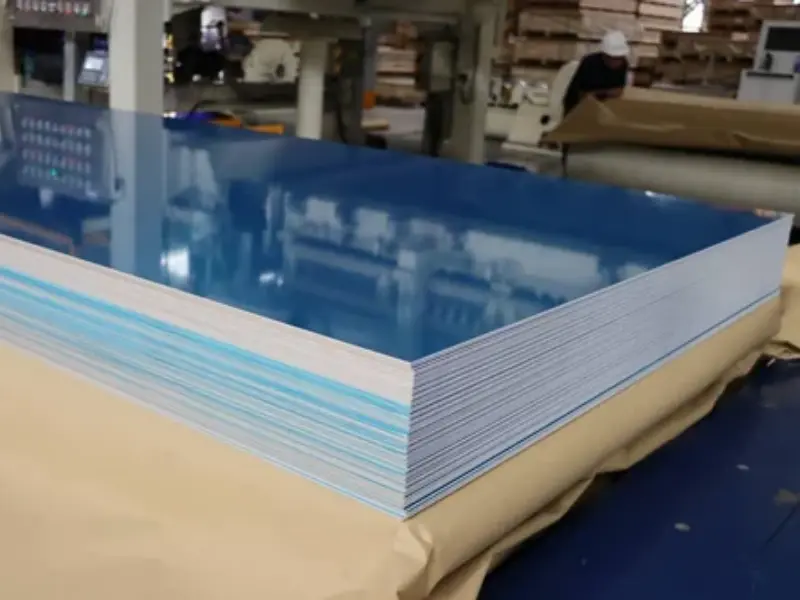
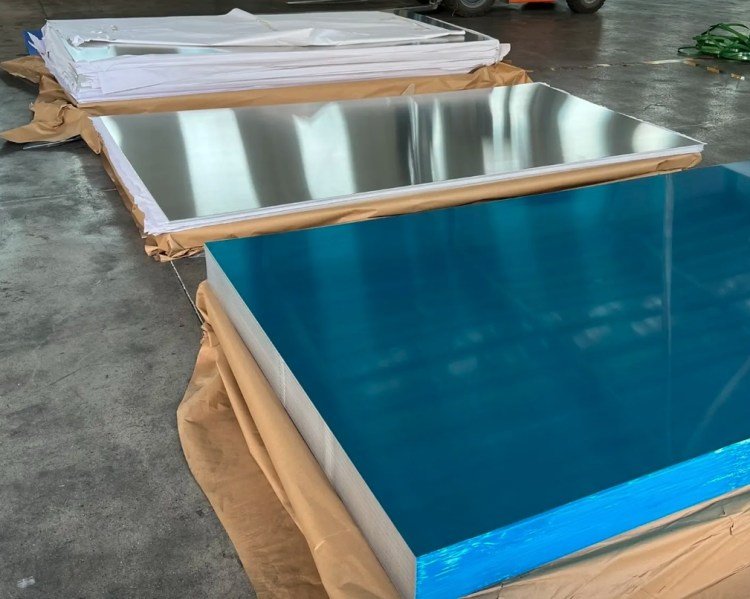
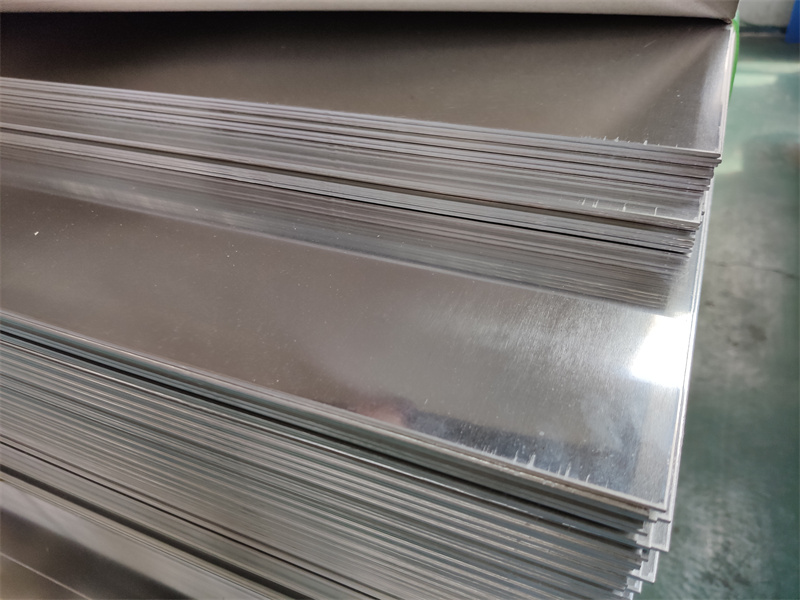
What Is 5052 Marine Grade Aluminum Sheet?
5052 aluminum belongs to the 5000 series aluminum-magnesium (Al-Mg) alloy family. Magnesium is the primary alloying element, typically making up 2.2–2.8% of the total composition. This magnesium content gives 5052 aluminum its excellent strength and outstanding corrosion resistance.
The term “marine grade” refers to aluminum alloys that resist corrosion in saltwater and marine atmospheric environments. The 5000 series alloys — including 5052, 5083, and 5086 — are the most recognized marine grade aluminum alloys in the industry.
5052 is a non-heat-treatable alloy. Its strength comes from cold working (strain hardening), not heat treatment. This means you control the strength level through the temper designation — H32, H34, H36, or H38.
Key Characteristics of 5052 Marine Aluminum
- Excellent saltwater corrosion resistance — outperforms 1000, 3000, and 6000 series in marine environments
- High strength — significantly stronger than 1100 and 3003 aluminum
- Good formability — can be bent, formed, and deep drawn
- Excellent weldability — compatible with MIG and TIG welding
- Good fatigue resistance — handles cyclic loading better than many alloys
- Non-magnetic — important for certain marine and electronic applications
- Lightweight — density of 2.68 g/cm³
- Food and chemical safe — approved for contact with food, beverages, and mild chemicals
5052 Marine Grade Aluminum Sheet: Chemical Composition
The chemical composition of 5052 aluminum directly determines its performance characteristics.
Chemical Composition Table
| Element | Content (%) |
|---|---|
| Aluminum (Al) | Balance |
| Magnesium (Mg) | 2.2 – 2.8 |
| Chromium (Cr) | 0.15 – 0.35 |
| Silicon (Si) | Max 0.25 |
| Iron (Fe) | Max 0.40 |
| Copper (Cu) | Max 0.10 |
| Manganese (Mn) | Max 0.10 |
| Zinc (Zn) | Max 0.10 |
| Others | Max 0.15 |
Role of Key Alloying Elements
Magnesium (2.2–2.8%):
Magnesium is the primary strengthening element. It increases tensile and yield strength through solid solution strengthening. Higher magnesium content also improves corrosion resistance in marine environments.
Chromium (0.15–0.35%):
Chromium is a critical addition for marine performance. It controls grain structure, improves corrosion resistance, and enhances fatigue strength. The chromium content is what gives 5052 its superior resistance to stress corrosion cracking compared to higher-magnesium alloys like 5083.
Mechanical Properties of 5052 Marine Grade Aluminum Sheet
Properties by Temper
| Temper | Tensile Strength | Yield Strength | Elongation | Hardness (HB) |
|---|---|---|---|---|
| O (Annealed) | 195 MPa (28 ksi) | 90 MPa (13 ksi) | 25% | 47 |
| H32 | 230 MPa (33 ksi) | 195 MPa (28 ksi) | 12% | 60 |
| H34 | 260 MPa (38 ksi) | 215 MPa (31 ksi) | 10% | 68 |
| H36 | 275 MPa (40 ksi) | 240 MPa (35 ksi) | 8% | 73 |
| H38 | 290 MPa (42 ksi) | 255 MPa (37 ksi) | 7% | 77 |
H32 and H34 are the most commonly ordered tempers for marine and general fabrication applications. They offer the best balance of strength, formability, and weldability.
Physical Properties
| Property | Value |
|---|---|
| Density | 2.68 g/cm³ |
| Melting Range | 607°C – 650°C |
| Thermal Conductivity | 138 W/m·K |
| Electrical Conductivity | 35% IACS |
| Modulus of Elasticity | 70.3 GPa |
| Fatigue Strength | 117 MPa |
5052 Temper Guide: H32 vs H34 vs H36 vs H38
Choosing the right temper is critical for your application. Here is a detailed comparison:
What Does “H3X” Mean?
- “H” — strain hardened through cold working
- “3” — strain hardened and then stabilized (low-temperature thermal treatment)
- Second digit — degree of hardness (2=1/4 hard, 4=1/2 hard, 6=3/4 hard, 8=full hard)
The stabilization process (H3X vs H1X) is important for 5052. Without stabilization, the magnesium in 5052 can migrate to grain boundaries over time, reducing corrosion resistance. The H3X temper prevents this, making it the standard choice for marine applications.
Temper Selection Guide
| Application | Recommended Temper |
|---|---|
| Deep drawing and forming | O or H32 |
| General marine fabrication | H32 |
| Boat hulls and decks | H32 or H34 |
| Fuel tanks | H32 |
| Pressure vessels | H34 |
| High-strength panels | H34 or H36 |
| Maximum strength, minimal forming | H38 |
Standard Specifications for 5052 Marine Grade Aluminum Sheet
Sheet Dimensions
| Parameter | Standard Range |
|---|---|
| Thickness | 0.5 mm – 6.0 mm (sheet) |
| Plate Thickness | 6.0 mm – 50 mm |
| Width | 1,000 mm – 2,650 mm |
| Length | 1,000 mm – 12,000 mm |
| Standard Sheet Size | 4×8 ft (1,219×2,438 mm) |
| Standard Sheet Size | 5×10 ft (1,524×3,048 mm) |
Common Thicknesses for Marine Applications
| Thickness | Marine Application |
|---|---|
| 0.5 – 1.5 mm | Interior panels, decorative linings |
| 1.5 – 3.0 mm | Boat deck panels, cabin walls |
| 3.0 – 5.0 mm | Hull plating, structural panels |
| 5.0 – 10.0 mm | Heavy structural components |
| 10.0 mm+ | Keel plates, heavy marine structures |
Compliance Standards
- ASTM B209 — Aluminum sheet and plate (USA)
- ASTM B928 — Marine aluminum alloy specification
- EN 485 — European aluminum sheet standard
- EN 573-3 — European alloy composition standard
- ABS — American Bureau of Shipping approval
- DNV GL — Det Norske Veritas certification
- Lloyd’s Register — Marine classification approval
Why Is 5052 Considered Marine Grade Aluminum?
Not all aluminum alloys perform equally in marine environments. Here is why 5052 earns its marine grade designation:
1. Saltwater Corrosion Resistance
5052 aluminum resists corrosion in:
- Seawater immersion
- Marine atmospheric exposure (salt spray)
- Splash zone environments
- Tidal zone applications
The magnesium-chromium combination creates a highly stable passive oxide layer that protects the metal even when scratched or abraded.
2. Stress Corrosion Cracking Resistance
Stress corrosion cracking (SCC) occurs when a metal under stress is exposed to a corrosive environment. Many high-strength aluminum alloys are susceptible to SCC in marine conditions.
5052 has excellent SCC resistance due to its controlled magnesium content (under 3%). Alloys with higher magnesium content (like 5456) can develop sensitization over time, making them vulnerable to SCC. 5052 avoids this problem.
3. Pitting Corrosion Resistance
Pitting corrosion is a localized attack that creates small holes in metal surfaces. 5052 resists pitting better than most other aluminum alloys in chloride-containing environments (seawater).
4. Galvanic Compatibility
In marine applications, different metals are often in contact. 5052 aluminum has good galvanic compatibility with other common marine materials. Use appropriate isolation gaskets and coatings when connecting aluminum to steel or copper components.
5052 vs. Other Marine Grade Aluminum Alloys
How does 5052 marine grade aluminum sheet compare to other popular marine alloys?
5052 vs. 5083 Aluminum
| Property | 5052 | 5083 |
|---|---|---|
| Magnesium Content | 2.2–2.8% | 4.0–4.9% |
| Tensile Strength (H32) | 230 MPa | 305 MPa |
| Yield Strength (H32) | 195 MPa | 215 MPa |
| Formability | Better | Good |
| Weldability | Excellent | Excellent |
| SCC Resistance | Excellent | Good (below 65°C) |
| Cost | Lower | Higher |
| Best For | General marine, fuel tanks | Ship hulls, pressure vessels |
Choose 5052 for general marine fabrication, fuel tanks, and applications requiring good formability.
Choose 5083 for large ship hulls, cryogenic vessels, and applications requiring maximum strength.
5052 vs. 5086 Aluminum
| Property | 5052 | 5086 |
|---|---|---|
| Magnesium Content | 2.2–2.8% | 3.5–4.5% |
| Tensile Strength (H32) | 230 MPa | 270 MPa |
| Corrosion Resistance | Excellent | Excellent |
| Weldability | Excellent | Excellent |
| Formability | Better | Good |
| Cost | Lower | Medium |
| Best For | Light marine, tanks | Offshore structures |
5052 vs. 6061 Aluminum
| Property | 5052 | 6061-T6 |
|---|---|---|
| Strength | 230–290 MPa | 310 MPa |
| Saltwater Corrosion | Excellent | Good |
| Formability | Excellent | Fair |
| Weldability | Excellent | Good |
| SCC Resistance | Excellent | Good |
| Cost | Medium | Higher |
| Best For | Marine, fuel tanks | Structural, above-waterline |
Key takeaway: For continuous saltwater exposure, always choose 5052 over 6061. For above-waterline structural components where saltwater contact is minimal, 6061 may be acceptable.
Marine Aluminum Alloy Comparison Summary
| Alloy | Strength | Saltwater Resistance | Formability | Cost | Best Marine Use |
|---|---|---|---|---|---|
| 5052 | Medium-High | ★★★★★ | ★★★★★ | Medium | Hulls, tanks, panels |
| 5083 | High | ★★★★★ | ★★★★ | Higher | Large ship hulls |
| 5086 | Medium-High | ★★★★★ | ★★★★ | Medium | Offshore structures |
| 6061-T6 | High | ★★★★ | ★★★ | Higher | Above-waterline structural |
| 3003 | Medium | ★★★★ | ★★★★★ | Lower | Non-marine, interior only |
Top Applications of 5052 Marine Grade Aluminum Sheet
Marine and Boating
- Boat hulls — primary structural skin for recreational and commercial vessels
- Deck plating — non-slip deck surfaces on boats and ships
- Bulkheads and partitions — interior structural dividers
- Fuel tanks — excellent resistance to gasoline, diesel, and marine fuels
- Cabin superstructures — lightweight above-deck structures
- Marine hardware — cleats, brackets, and fittings
- Gangways and walkways — shore-to-vessel access structures
Offshore and Industrial Marine
- Offshore platform decking and walkways
- Marine equipment housings
- Dock and pier structures
- Submarine equipment panels
- Desalination plant components
Automotive and Transportation
- Fuel tanks — excellent resistance to automotive fuels
- Vehicle body panels in coastal environments
- Truck and trailer panels exposed to road salt
- Racing car body components
- RV and camper exterior panels
Construction and Architecture
- Coastal building cladding
- Seawall and breakwater panels
- Marine terminal structures
- Swimming pool surrounds and equipment
- Coastal infrastructure components
Chemical and Industrial
- Chemical storage tanks
- Pressure vessels and reactors
- Food processing equipment
- Pharmaceutical equipment panels
- Heat exchanger components
Signage and Display
- Outdoor advertising panels in coastal areas
- Marine navigation signs
- Port and harbor signage
How to Fabricate 5052 Marine Grade Aluminum Sheet
Cutting
5052 aluminum sheet cuts well with:
- Circular saw: Use carbide-tipped blades designed for aluminum
- Laser cutting: Clean edges, excellent precision
- Waterjet: Best for thick plates, no heat-affected zone
- Plasma cutting: Suitable for thicker plates
- Guillotine shear: Fast and economical for straight cuts
Bending and Forming
5052 H32 and H34 bend well with proper tooling:
| Temper | Minimum Bend Radius |
|---|---|
| O | 0 × thickness |
| H32 | 2 × thickness |
| H34 | 2.5 × thickness |
| H36 | 3 × thickness |
| H38 | 4 × thickness |
Tips for bending 5052:
- Bend across the grain direction when possible
- Use a minimum radius as specified above to avoid cracking
- For H34 and harder tempers, consider pre-heating to 120–150°C for tighter bends
Welding
5052 welds excellently with both MIG and TIG processes:
| Process | Filler Wire | Best For |
|---|---|---|
| MIG (GMAW) | ER5356 or ER5183 | Production welding, thicker material |
| TIG (GTAW) | ER5356 or ER5183 | Precision welding, thin material |
Important welding notes:
- Clean the surface thoroughly before welding — remove all oil, oxide, and moisture
- Welding reduces strength in the heat-affected zone (HAZ)
- Post-weld strength is close to O temper values
- Do not use ER4043 filler — it reduces corrosion resistance in marine applications
Surface Treatment
- Anodizing: Adds a hard, corrosion-resistant oxide layer. Clear or color options available.
- Painting: Marine-grade epoxy or polyurethane paints provide additional protection
- Anti-fouling coating: For below-waterline surfaces to prevent marine growth
- Chromate conversion coating: Improves paint adhesion and corrosion resistance
5052 Marine Grade Aluminum Sheet Price Factors
1. LME Aluminum Base Price
All aluminum sheet prices track the London Metal Exchange daily benchmark. Global supply and demand fluctuations directly affect pricing.
2. Magnesium Alloy Premium
5052 contains 2.2–2.8% magnesium, which adds a cost premium over pure aluminum or low-alloy products like 1100 and 3003. Expect to pay 15–30% more than standard 3003 sheet.
3. Temper
H32 is typically the most affordable H3X temper. H34, H36, and H38 require more cold working and may carry a small premium.
4. Thickness and Size
Standard thicknesses (1.0–4.0 mm) in standard sheet sizes (4×8 ft) are most economical. Custom thicknesses or oversized sheets carry additional charges.
5. Surface Finish and Certification
Mill finish is most affordable. Anodized or marine-certified sheets (ABS, DNV) carry higher prices due to additional processing and documentation.
6. Order Quantity
Full container loads (20–25 MT) offer the best per-ton pricing. Smaller orders carry higher per-kg costs.
Approximate Price Range
| Product | Approximate Price (USD/MT) |
|---|---|
| 5052-H32 sheet (mill finish) | $3,200 – $4,200 |
| 5052-H34 sheet (mill finish) | $3,300 – $4,400 |
| 5052-H32 plate (6–25 mm) | $3,500 – $4,800 |
| 5052 anodized sheet | $4,500 – $6,000 |
Prices are approximate and subject to LME fluctuations. Contact us for current pricing.
Why Source 5052 Marine Grade Aluminum Sheet from Us?
As a professional manufacturer and global exporter of marine grade aluminum products, we offer:
🏭 Factory Direct Supply
We produce 5052 marine grade aluminum sheet in our own rolling mill. Direct factory pricing with no middlemen and no hidden charges.
📐 Full Custom Specifications
We supply:
- Thickness: 0.5 mm to 50 mm
- Width: up to 2,650 mm
- Length: up to 12,000 mm
- Standard sizes: 4×8 ft, 5×10 ft
- Custom cut-to-size on request
- All tempers: O, H32, H34, H36, H38
✅ Marine Certifications Available
We provide:
- Material Test Reports (MTR)
- ASTM B209 and B928 compliance
- ABS (American Bureau of Shipping) certified material
- DNV GL certified material (on request)
- Certificate of Conformance (CoC)
🔬 Strict Quality Control
Every batch undergoes:
- Spectrometer chemical composition analysis
- Tensile and yield strength testing
- Hardness testing
- Dimensional inspection
- Salt spray corrosion testing (on request)
🌍 Global Export Experience
We export 5052 marine grade aluminum sheet to:
- United States and Canada
- Norway, Netherlands, and Europe
- Australia and New Zealand
- Middle East and Gulf states
- Southeast Asia and Singapore
- Over 60 countries worldwide
📦 Marine-Safe Packaging
- Moisture-proof inner wrapping
- Wooden crates for full protection
- PVC surface protection film
- Corner and edge protectors
- Suitable for sea freight in all weather conditions
Frequently Asked Questions
Q1: What makes 5052 aluminum “marine grade”?
5052 is marine grade because of its excellent resistance to saltwater corrosion, stress corrosion cracking, and pitting in chloride environments. Its magnesium-chromium composition creates a stable protective oxide layer that performs reliably in continuous marine exposure.
Q2: What is the best temper for marine applications?
H32 is the most popular temper for marine applications. It offers good strength (230 MPa), excellent formability, and the best balance of properties for boat building and marine fabrication. For higher strength panels, H34 is a good choice.
Q3: Can 5052 aluminum be used below the waterline?
Yes. 5052 aluminum is suitable for below-waterline use with proper anti-fouling coating. For continuously submerged structural components in large vessels, 5083 or 5086 may be preferred for their higher strength.
Q4: How does 5052 compare to 5083 for boat building?
5052 offers better formability and lower cost. It is ideal for smaller boats, fuel tanks, and panels. 5083 offers higher strength and is preferred for larger commercial vessels and structural hull plating. For recreational boats under 30 ft, 5052 is usually the more practical choice.
Q5: Can you weld 5052 marine grade aluminum?
Yes. 5052 welds excellently using MIG or TIG with ER5356 or ER5183 filler wire. Always use marine-appropriate filler — avoid ER4043 as it reduces corrosion resistance in saltwater environments.
Q6: What is the price difference between 5052 and 3003 aluminum?
5052 costs approximately 15–30% more than 3003 due to its higher magnesium content and more complex alloy composition. For marine applications, 3003 is not suitable — the extra cost of 5052 is essential for saltwater performance.
Q7: Does 5052 aluminum rust?
No. Aluminum does not rust — rust is iron oxide and aluminum contains no iron as a base metal. Instead, aluminum forms aluminum oxide, which is a protective layer that actually prevents further corrosion. 5052’s magnesium-chromium composition makes this oxide layer especially stable in marine environments.
Q8: What thickness of 5052 aluminum is used for boat hulls?
Boat hull thickness depends on vessel size and design:
- Small boats (under 20 ft): 3.0 – 4.0 mm
- Medium boats (20–40 ft): 4.0 – 6.0 mm
- Large vessels: 6.0 mm and above
Always consult your naval architect for specific structural requirements.