
3003 H14 stucco embossed aluminum is one of the most recognizable and widely used aluminum products in the building, construction, and refrigeration industries. Its distinctive raised stucco pattern combines a practical anti-slip surface with an attractive decorative appearance — all while delivering the excellent corrosion resistance and durability that 3003 aluminum is known for.
Whether you need 3003 H14 stucco embossed aluminum for insulation jacketing, mobile home siding, HVAC equipment panels, or refrigeration unit cladding, this guide covers everything you need to know. We explain the alloy, the embossing process, standard specifications, key applications, pricing factors, and how to choose the right product for your project.
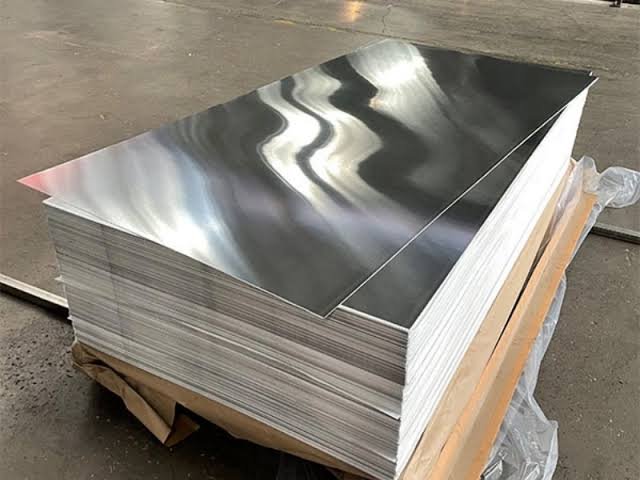
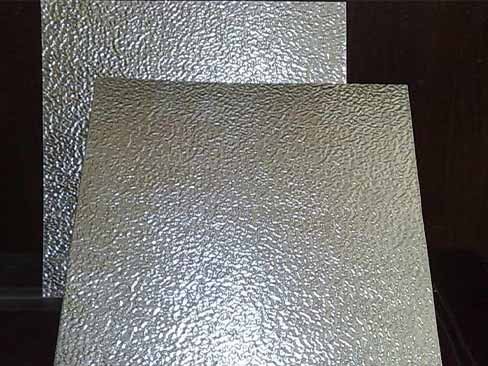
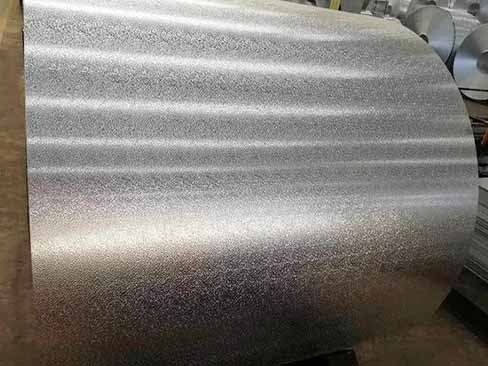
What Is 3003 H14 Stucco Embossed Aluminum?
3003 H14 stucco embossed aluminum is a flat aluminum sheet or coil with a raised stucco texture pattern pressed into its surface. It combines three key elements:
The “3003” Alloy
3003 is a manganese-based aluminum alloy belonging to the 3000 series. It contains approximately 1.0–1.5% manganese (Mn) as the primary alloying element. This gives it:
- About 20% more strength than pure 1100 aluminum
- Excellent corrosion resistance
- Very good formability and weldability
- Non-toxic and food-safe properties
The “H14” Temper
H14 means the aluminum has been strain-hardened to half-hard condition through cold working:
- “H” — strain hardened
- “1” — strain hardened only, no additional thermal treatment
- “4” — half-hard (1/2 hard) condition
H14 gives the material a good balance of strength and formability — stronger than soft O temper but still workable enough for most fabrication needs.
The “Stucco Embossed” Surface
The stucco pattern is created by passing the aluminum sheet through an embossing mill with specially engraved rolls. The rolls press a raised, irregular bumpy pattern into the surface — similar to the texture of stucco plaster on a wall.
This texture provides:
- Anti-slip surface — safer for walkways and flooring
- Decorative appearance — attractive finish for panels and cladding
- Improved rigidity — the embossed pattern adds stiffness to thin sheets
- Better light diffusion — reduces glare compared to flat polished surfaces
- Conceals minor surface imperfections — practical for industrial applications
3003 H14 Stucco Embossed Aluminum: Chemical Composition
Chemical Composition of 3003 Alloy
| Element | Content (%) |
|---|---|
| Aluminum (Al) | Balance |
| Manganese (Mn) | 1.0 – 1.5 |
| Copper (Cu) | 0.05 – 0.20 |
| Iron (Fe) | Max 0.70 |
| Silicon (Si) | Max 0.60 |
| Zinc (Zn) | Max 0.10 |
| Others | Max 0.15 |
Mechanical Properties of 3003 H14 Stucco Embossed Aluminum
Mechanical Properties
| Property | Value (Metric) | Value (Imperial) |
|---|---|---|
| Tensile Strength | 150 MPa | 22,000 psi |
| Yield Strength | 130 MPa | 19,000 psi |
| Elongation | 5% | 5% |
| Hardness (Brinell) | 40 HB | 40 HB |
| Shear Strength | 97 MPa | 14,000 psi |
| Density | 2.73 g/cm³ | 0.0986 lb/in³ |
Physical Properties
| Property | Value |
|---|---|
| Melting Range | 643°C – 654°C |
| Thermal Conductivity | 163 W/m·K |
| Electrical Conductivity | 41% IACS |
| Modulus of Elasticity | 70 GPa |
Standard Specifications for 3003 H14 Stucco Embossed Aluminum
Sheet and Coil Dimensions
| Parameter | Standard Range |
|---|---|
| Thickness | 0.2 mm – 4.0 mm |
| Width | 100 mm – 2,650 mm |
| Length | 500 mm – 6,000 mm (sheet) |
| Coil Inner Diameter | 505 mm / 508 mm |
| Coil Outer Diameter | Up to 1,500 mm |
| Coil Weight | 2 MT – 5 MT |
Common Thicknesses by Application
| Thickness | Common Application |
|---|---|
| 0.2 – 0.4 mm | Thin insulation jacketing, decorative trim |
| 0.4 – 0.6 mm | Standard insulation jacketing, HVAC panels |
| 0.6 – 1.0 mm | Mobile home siding, wall panels |
| 1.0 – 1.5 mm | Refrigeration cladding, equipment panels |
| 1.5 – 3.0 mm | Flooring, heavy-duty panels |
| 3.0 – 4.0 mm | Industrial flooring, structural panels |
Standard Sheet Sizes
| Size | Metric Dimensions |
|---|---|
| 4 × 8 ft | 1,219 × 2,438 mm |
| 4 × 10 ft | 1,219 × 3,048 mm |
| 5 × 10 ft | 1,524 × 3,048 mm |
| Custom | Any size available |
Compliance Standards
- ASTM B209 — Aluminum sheet and plate
- ASTM B632 — Aluminum sheet for roofing and siding
- EN 573-3 — European alloy composition standard
- EN 485 — European sheet dimensions standard
- GB/T 3880 — Chinese national standard
The Stucco Embossing Process: How Is It Made?
Understanding the embossing process helps you specify the right product and quality level.
Step 1: Base Material Preparation
High-quality 3003 H14 aluminum sheet or coil serves as the base material. The surface must be clean, flat, and free of defects before embossing.
Step 2: Embossing Roll Design
The embossing mill uses specially engraved steel rolls. The roll surface carries the negative image of the stucco pattern. Different roll designs produce different pattern depths and densities.
Step 3: Embossing Process
The aluminum sheet passes between the embossing rolls under controlled pressure. The rolls press the stucco pattern into the aluminum surface. The pattern depth and uniformity depend on:
- Roll pressure
- Sheet thickness
- Aluminum temper
- Roll surface condition
Step 4: Quality Inspection
After embossing, each sheet or coil undergoes:
- Pattern uniformity inspection
- Thickness measurement
- Surface defect check
- Dimensional verification
Step 5: Surface Treatment (Optional)
Depending on the application, stucco embossed sheets may receive additional treatment:
- Color coating (PE or PVDF)
- Anodizing
- Protective film lamination
Stucco Pattern Variations
Not all stucco patterns are identical. Here are the main variations available:
Standard Stucco Pattern
The most common pattern. Features an irregular, randomly distributed raised bumpy texture. This is the classic look most buyers associate with stucco embossed aluminum.
Fine Stucco Pattern
A smaller, more uniform version of the standard stucco. The bumps are smaller and more densely packed. Preferred for:
- Decorative interior panels
- Consumer appliance panels
- Premium architectural applications
Deep Stucco Pattern
A more pronounced, deeper embossed pattern with higher bump height. Preferred for:
- Industrial flooring
- Heavy-duty anti-slip surfaces
- Outdoor walkways
Orange Peel Pattern
Similar to stucco but with a slightly smoother, more rounded texture resembling the skin of an orange. Popular for:
- Refrigeration unit panels
- HVAC equipment cladding
- Appliance panels
Surface Finish Options for 3003 H14 Stucco Embossed Aluminum
Mill Finish Stucco
Natural aluminum color with the embossed stucco pattern. Most affordable option. Suitable for:
- Insulation jacketing
- Industrial applications
- Products that will be painted or coated on-site
Color Coated Stucco (PE Coating)
Polyester (PE) paint applied over the stucco surface before or after embossing. Features:
- Wide range of standard and custom colors
- Good UV resistance for moderate outdoor exposure
- Coating thickness: 18–25 microns
Popular colors for stucco embossed:
- White (most popular for mobile homes and insulation)
- Silver / Metallic
- Beige and Ivory
- Gray
- Custom RAL colors on request
Color Coated Stucco (PVDF Coating)
Premium polyvinylidene fluoride (PVDF) coating for maximum outdoor durability:
- Excellent UV resistance — color stays stable for 20+ years outdoors
- Superior chemical resistance
- Coating thickness: 25–35 microns
- Best for architectural and premium outdoor applications
Anodized Stucco
Anodizing applied after embossing creates a hard, clear protective layer:
- Excellent corrosion resistance
- Scratch resistance
- Clear or color anodizing available
- Best for high-traffic or abrasive environments
Polished Stucco
The embossed surface receives a light polishing treatment to brighten the pattern highlights. Creates a two-tone effect — bright peaks with matte valleys. Decorative applications only.
Top Applications of 3003 H14 Stucco Embossed Aluminum
1. Pipe and Equipment Insulation Jacketing
This is the largest single application for 3003 H14 stucco embossed aluminum. It wraps around insulated pipes, tanks, and industrial equipment to:
- Protect insulation from mechanical damage
- Prevent moisture ingress into insulation
- Provide a professional, clean appearance
- Resist corrosion in outdoor and industrial environments
Common jacketing specifications:
- Thickness: 0.4 mm – 0.8 mm
- Width: 914 mm, 1,000 mm, 1,219 mm
- Finish: Mill finish or white PE coated
2. HVAC and Refrigeration Equipment
3003 H14 stucco embossed aluminum is the standard cladding material for:
- Air conditioning unit panels
- Cold room and walk-in cooler wall panels
- Refrigeration truck body panels
- Freezer room cladding
- Heat pump enclosures
- Ductwork covers and access panels
The stucco pattern provides an attractive, professional appearance while hiding minor surface imperfections in the fabrication process.
3. Mobile Home and Manufactured Housing
One of the most visible applications. 3003 H14 stucco embossed aluminum siding is the standard exterior finish for millions of manufactured homes across North America.
Advantages for mobile home siding:
- Lightweight — reduces structural load
- No painting required — factory color applied
- Excellent weather resistance — no rust or rot
- Easy to install and repair
- Long service life — 20–30+ years
Common specifications for mobile home siding:
- Thickness: 0.6 mm – 0.8 mm
- Color: White (most popular), Beige, Gray
- Coating: PE (polyester) painted
4. Flooring and Walkways
Thicker 3003 H14 stucco embossed aluminum plate serves as anti-slip flooring for:
- Industrial plant walkways
- Truck and trailer flooring
- Dock and platform surfaces
- Ramp and stair surfaces
- Utility room flooring
The stucco pattern provides effective slip resistance in both wet and dry conditions.
5. Decorative Wall and Ceiling Panels
In commercial and residential interiors, stucco embossed aluminum panels create:
- Feature wall cladding
- Ceiling tile systems
- Column covers
- Lobby and reception area panels
- Commercial kitchen wall panels
6. Transportation and Automotive
- Truck body side panels
- Trailer interior wall cladding
- Bus interior panels
- Refrigerated van body cladding
- Cargo container linings
7. Food Processing and Cold Storage
The stucco surface is easy to clean and hygienic. Applications include:
- Cold storage room wall and ceiling panels
- Food processing plant wall cladding
- Butcher shop and deli wall panels
- Commercial kitchen splash backs
8. Marine Applications
- Boat interior cabin panels
- Marine storage compartment liners
- Dock house cladding
- Marina facility panels
3003 H14 Stucco Embossed vs. Other Embossed Patterns
How does stucco embossed compare to other common aluminum embossed patterns?
| Pattern | Texture | Slip Resistance | Aesthetic | Best Application |
|---|---|---|---|---|
| Stucco | Random bumpy | Medium-High | Classic, traditional | Insulation, siding, HVAC |
| Diamond / Checker | Regular diamond grid | High | Industrial | Flooring, ramps, stairs |
| Linen / Leather | Fine fabric-like | Low-Medium | Decorative | Interior panels, appliances |
| Orange Peel | Rounded, uniform | Medium | Modern | Refrigeration, HVAC |
| Hammer Tone | Irregular, hammer marks | Medium | Decorative | Architectural panels |
| Flat (no emboss) | Smooth | Low | Clean, modern | General sheet metal |
3003 H14 vs. Other Common Alloys for Stucco Embossed Applications
| Property | 3003-H14 | 1100-H14 | 5052-H32 | 3105-H14 |
|---|---|---|---|---|
| Tensile Strength | 150 MPa | 125 MPa | 230 MPa | 150 MPa |
| Corrosion Resistance | Excellent | Excellent | Excellent | Excellent |
| Formability | Very Good | Excellent | Good | Very Good |
| Cost | Low-Medium | Low | Medium | Low-Medium |
| Typical Use | Insulation, HVAC, siding | Foil, food packaging | Marine, structural | Mobile home siding |
3003 H14 is the most popular alloy for stucco embossed applications because it strikes the best balance between strength, corrosion resistance, formability, and cost.
3003 H14 Stucco Embossed Aluminum Price Factors
1. LME Aluminum Base Price
All aluminum product prices track the London Metal Exchange daily benchmark. Market fluctuations directly affect your material cost.
2. Alloy and Temper Premium
3003 carries a small premium over pure aluminum alloys like 1100 due to its manganese content. H14 temper requires specific cold working steps.
3. Embossing Cost
The embossing process adds a small premium over standard flat sheet. Deep pattern embossing costs slightly more than standard stucco.
4. Surface Coating
- Mill finish stucco: Base price
- PE color coated stucco: +15–25% premium
- PVDF color coated stucco: +30–50% premium
- Anodized stucco: Premium pricing
5. Thickness
Standard thicknesses (0.4–1.0 mm) are most economical. Very thin or very thick gauges carry additional processing premiums.
6. Order Quantity
| Order Size | Pricing |
|---|---|
| Under 2 MT | Highest per-kg |
| 2–5 MT | Standard pricing |
| 5–15 MT | Volume discount |
| Full container (20+ MT) | Best per-kg price |
Approximate Price Range
| Product | Approximate Price (USD/MT) |
|---|---|
| 3003-H14 stucco embossed (mill finish) | $2,800 – $3,600 |
| 3003-H14 stucco embossed (PE coated) | $3,200 – $4,200 |
| 3003-H14 stucco embossed (PVDF coated) | $4,000 – $5,500 |
Prices are approximate and subject to LME fluctuations. Contact us for current pricing.
How to Install 3003 H14 Stucco Embossed Aluminum
For Insulation Jacketing
- Measure pipe or equipment circumference and add 50–75 mm overlap allowance
- Cut the stucco sheet to required width using tin snips or circular saw
- Wrap the sheet around the insulation, embossed side out
- Secure with stainless steel banding or self-tapping screws
- Seal all joints with aluminum tape or sealant to prevent moisture ingress
- Install end caps and fittings to complete the jacketing system
For Wall and Panel Applications
- Prepare the substrate — ensure it is flat, clean, and structurally sound
- Cut panels to size allowing for expansion gaps (3–5 mm per panel)
- Install using appropriate fasteners — avoid over-tightening to allow thermal expansion
- Seal joints with compatible aluminum or silicone sealant
- Install corner trims and edge profiles to complete the installation
For Flooring Applications
- Ensure the subfloor is level and structurally adequate
- Use thicker gauge (1.5 mm+) for flooring applications
- Secure with countersunk screws or rivets at regular intervals
- Apply non-slip coating if additional traction is needed in wet environments
Why Source 3003 H14 Stucco Embossed Aluminum from Us?
As a professional manufacturer and global exporter, we offer:
🏭 Factory Direct Supply
We produce 3003 H14 stucco embossed aluminum in our own embossing facility. You buy directly from the manufacturer — no middlemen, no markup.
📐 Full Custom Specifications
We supply:
- Any thickness from 0.2 mm to 4.0 mm
- Any width up to 2,650 mm
- Standard and custom sheet sizes
- All pattern options: standard stucco, fine stucco, deep stucco, orange peel
- All finishes: mill, PE coated, PVDF coated, anodized
- Custom colors to match your project requirements
✅ Strict Quality Control
Every batch undergoes:
- Chemical composition spectrometer analysis
- Mechanical property testing
- Pattern depth and uniformity inspection
- Coating thickness and adhesion testing
- Dimensional verification
Full material test reports with every shipment.
🌍 Global Export Experience
We export 3003 H14 stucco embossed aluminum to:
- United States and Canada
- Mexico and Latin America
- United Kingdom and Europe
- Australia and New Zealand
- Middle East
- Southeast Asia
- Over 60 countries worldwide
📦 Professional Packaging
- PVC protective film on embossed surface
- Wooden pallets with full strapping
- Moisture-proof outer wrapping
- Edge and corner protectors
- Suitable for all transport modes
Frequently Asked Questions
Q1: What is 3003 H14 stucco embossed aluminum used for?
3003 H14 stucco embossed aluminum is most commonly used for pipe and equipment insulation jacketing, HVAC panel cladding, mobile home siding, refrigeration unit panels, industrial flooring, and decorative wall panels.
Q2: What is the most popular thickness for insulation jacketing?
The most popular thickness for insulation jacketing is 0.4 mm to 0.6 mm. This range provides adequate protection and rigidity while remaining lightweight and easy to cut and install.
Q3: What is the difference between stucco and diamond embossed aluminum?
Stucco embossed has a random, irregular bumpy pattern that is more decorative and traditional. Diamond embossed (checker plate) has a regular geometric diamond grid pattern with higher slip resistance. Stucco is preferred for insulation and siding. Diamond is preferred for industrial flooring and ramps.
Q4: Can 3003 H14 stucco embossed aluminum be painted?
Yes. Mill finish stucco embossed aluminum accepts paint well. Clean the surface thoroughly, apply a compatible primer, then paint with your chosen color. Pre-painted (PE or PVDF coated) stucco sheets are also available for ready-to-install applications.
Q5: What is the difference between PE and PVDF coating on stucco aluminum?
PE (polyester) coating is the standard option — good UV resistance, wide color range, lower cost. Suitable for most building and siding applications. PVDF (polyvinylidene fluoride) coating is the premium option — superior UV and chemical resistance, color stability for 20+ years outdoors. Best for architectural and premium long-term applications.
Q6: What is the standard width for stucco embossed insulation jacketing?
The most common widths for insulation jacketing are 914 mm (36 inches) and 1,219 mm (48 inches). We supply any custom width up to 2,650 mm on request.
Q7: Is 3003 H14 stucco embossed aluminum suitable for outdoor use?
Yes. 3003 aluminum has excellent atmospheric corrosion resistance and performs well outdoors. For long-term outdoor exposure, we recommend PE or PVDF color-coated stucco sheets for maximum UV and weather protection.
Conclusion
3003 H14 stucco embossed aluminum is one of the most practical and widely used aluminum products in the building, insulation, and HVAC industries. Its distinctive stucco texture combines anti-slip performance, decorative appeal, and improved rigidity — all backed by the excellent corrosion resistance and durability of 3003 aluminum in H14 temper.
Key points to remember:
- 3003 alloy — manganese-based, 20% stronger than pure aluminum
- H14 temper — half-hard, good balance of strength and formability
- Stucco pattern — adds anti-slip performance, rigidity, and attractive appearance
- Most popular application: insulation jacketing and mobile home siding
- Standard thickness for jacketing: 0.4 mm – 0.6 mm
- For outdoor use: choose PE or PVDF coated for maximum durability
- Custom sizes, patterns, and colors available
Contact our team today for a competitive factory price quote. We supply custom specifications, multiple surface finishes, and fast global delivery for all 3003 H14 stucco embossed aluminum orders.